google.com, pub-4057852254071953, DIRECT, f08c47fec0942fa0 Prasannasahoo educational blogger

Saturday, March 8, 2025

What is the Difference Between Animal Husbandry and Veterinary Science?

 <script async custom-element="amp-ad" src="https://cdn.ampproject.org/v0/amp-ad-0.1.js"></script>

 <script async custom-element="amp-auto-ads"
src="https://cdn.ampproject.org/v0/amp-auto-ads-0.1.js">
</script>

 <script async src="https://pagead2.googlesyndication.com/pagead/js/adsbygoogle.js?client=ca-pub-4057852254071953"
crossorigin="anonymous"></script>

What is the Difference Between Animal Husbandry and Veterinary Science?
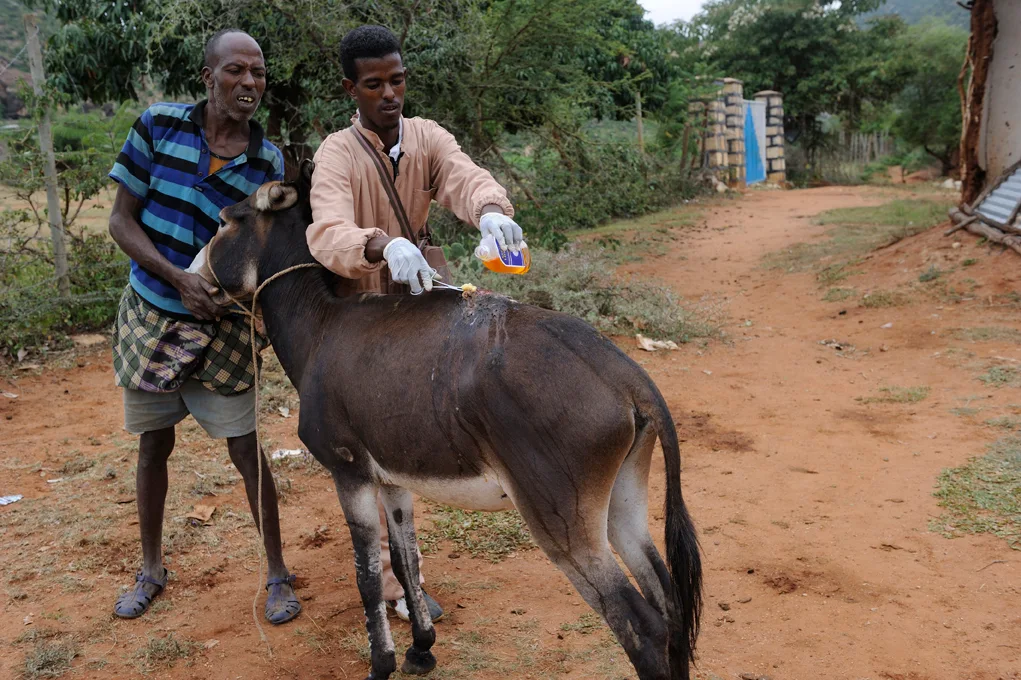

Introduction

Animal husbandry and veterinary science are two closely related fields in the agricultural and animal care industry. 

While they both involve animals, their objectives, areas of study, and practical applications differ significantly. 

Animal husbandry focuses on breeding, raising, and managing livestock for economic and agricultural benefits, whereas veterinary science is a medical discipline that deals with diagnosing, treating, and preventing diseases in animals.

This article explores the key differences between animal husbandry and veterinary science in terms of education, career prospects, job roles, scope, and significance. 

If you are a student or professional looking to pursue a career in animal-related fields, this detailed guide will help you make an informed choice.


<amp-auto-ads type="adsense"
data-ad-client="ca-pub-4057852254071953">
</amp-auto-ads>Definition and Overview

What is Animal Husbandry?

Animal husbandry is a branch of agriculture that deals with the breeding, raising, and management of livestock such as cattle, sheep, goats, poultry, and pigs. 

It involves proper care, feeding, genetic improvement, and production enhancement for various purposes, including dairy farming, meat production, wool production, and egg production.

Key aspects of animal husbandry include:

  • Selective breeding to improve desirable traits.

  • Nutrition management to ensure optimal growth and production.

  • Housing and environmental control for better animal welfare.

  • Disease prevention and health monitoring to avoid economic losses.

  • Economic sustainability through efficient farm management.

What is Veterinary Science?

Veterinary science is a medical discipline that focuses on diagnosing, treating, and preventing diseases in animals. It covers a wide range of animal species, including pets, livestock, and wildlife. 

Veterinary professionals ensure the well-being of animals by providing medical care, conducting surgeries, and researching new treatments.

Key aspects of veterinary science include:

  • Animal healthcare and treatment through medications and surgery.

  • Veterinary diagnostics such as lab tests and imaging techniques.

  • Epidemiology and disease control to prevent outbreaks.

  • Animal surgery and rehabilitation for injury recovery.

  • Public health and zoonotic disease prevention to protect humans from animal-borne diseases.


Major Differences Between Animal Husbandry and Veterinary Science


Educational Pathways

Animal Husbandry Education

If you want to pursue a career in animal husbandry, you can opt for:

  • Diploma in Animal Husbandry (1-2 years)

  • BSc in Animal Husbandry (3-4 years)

  • MSc in Animal Husbandry (2 years)

  • PhD in Animal Science (3-5 years)

Veterinary Science Education

To become a veterinary professional, you need to follow these educational pathways:

  • BVSc (Bachelor of Veterinary Science) – 5.5 years, including internship

  • MVSc (Master of Veterinary Science) – 2 years specialization

  • PhD in Veterinary Science – 3-5 years

Entrance exams such as NEET (National Eligibility cum Entrance Test) in India determine admission to veterinary colleges.


Career Opportunities and Job Roles

Jobs in Animal Husbandry

  1. Livestock Farm Manager – Supervises farm operations and livestock care.

  2. Dairy Technologist – Manages milk production and processing.

  3. Poultry Farm Manager – Oversees poultry breeding and egg/meat production.

  4. Animal Breeder – Improves genetic traits for better livestock yield.

  5. Feed Production Manager – Develops and distributes animal feed products.

  6. Government Agricultural Officer – Advises farmers on livestock management.

Jobs in Veterinary Science

  1. Veterinary Doctor – Diagnoses and treats animal diseases.

  2. Animal Surgeon – Performs surgeries on injured or sick animals.

  3. Wildlife Veterinarian – Specializes in treating wild animals.

  4. Veterinary Researcher – Conducts studies on animal health and treatments.

  5. Government Animal Health Officer – Works in disease prevention programs.

  6. Pet Care Specialist – Provides healthcare services for domestic pets.


<amp-ad width="100vw" height="320"
type="adsense"
data-ad-client="ca-pub-4057852254071953"
data-ad-slot="4306934101"
data-auto-format="rspv"
data-full-width="">
<div overflow=""></div>
</amp-ad>Scope and Future Trends

Animal Husbandry Scope

  • Increasing demand for organic dairy and meat products.

  • Technological advancements in genetic engineering and livestock breeding.

  • Rising investment in sustainable animal farming.

  • Government initiatives to promote rural employment in animal husbandry.

Veterinary Science Scope

  • Growing need for pet healthcare services.

  • Expansion of veterinary pharmaceuticals and diagnostics.

  • Increase in wildlife conservation efforts requiring veterinary expertise.

  • Advancements in artificial intelligence and robotic surgery in veterinary medicine.


Which Career is Better: Animal Husbandry or Veterinary Science?

The choice between animal husbandry and veterinary science depends on individual interests and career goals:

  • If you are passionate about agriculture, livestock management, and farm economics, animal husbandry is a suitable career.

  • If you are interested in animal healthcare, surgery, and disease control, veterinary science is the better option.

Both fields offer high demand, career stability, and opportunities for growth. However, veterinary science requires more intensive study and licensing compared to animal husbandry.


Conclusion

Animal husbandry and veterinary science are both essential for maintaining the well-being of animals and ensuring economic sustainability in the agriculture sector. 

While animal husbandry focuses on breeding, nutrition, and production, veterinary science deals with medical care, disease prevention, and treatment.

Both fields have vast career opportunities, and the choice depends on whether you prefer animal management or veterinary medicine. 

With advancements in technology and increasing demand for livestock and pet healthcare, both disciplines will continue to evolve and play a crucial role in agriculture and animal welfare.

If you are considering a career in either of these fields, evaluate your interests and long-term goals to make an informed decision. 

Whether you choose animal husbandry or veterinary science, both professions offer rewarding career paths with a positive impact on society and animal welfare.



Friday, March 7, 2025

How to fill-up IISER application Form?


 <script async custom-element="amp-ad" src="https://cdn.ampproject.org/v0/amp-ad-0.1.js"></script>


<script async custom-element="amp-auto-ads"
src="https://cdn.ampproject.org/v0/amp-auto-ads-0.1.js">
</script> 

<script async src="https://pagead2.googlesyndication.com/pagead/js/adsbygoogle.js?client=ca-pub-4057852254071953"
crossorigin="anonymous"></script> 

How to fill-up IISER application Form?


Introduction 


The Indian Institutes of Science Education and Research (IISER) are premier institutions in India, offering integrated BS-MS programs aimed at nurturing high-caliber science professionals. 

Aspiring students must navigate a meticulous application process to secure admission. 

This comprehensive guide provides a step-by-step walkthrough of filling out the IISER application form, ensuring candidates can approach the process with confidence and precision.

<amp-auto-ads type="adsense"
data-ad-client="ca-pub-4057852254071953">
</amp-auto-ads>Table of Contents

  1. Introduction to IISER

  2. Understanding the Admission Channels

  3. Eligibility Criteria

  4. Important Dates for IISER Admission 2025

  5. Pre-Application Preparations

  6. Step-by-Step Guide to Filling the IISER Application Form

    • a. Online Registration

    • b. Filling Personal and Academic Details

    • c. Uploading Necessary Documents

    • d. Payment of Application Fee

    • e. Final Submission and Printout

  7. Post-Submission Activities

  8. Common Mistakes to Avoid

  9. FAQs on IISER Application Process

  10. Conclusion

1. Introduction to IISER

Established by the Government of India, the IISERs are a group of autonomous institutions dedicated to scientific research and education. 

With campuses in Berhampur, Bhopal, Kolkata, Mohali, Pune, Thiruvananthapuram, and Tirupati, IISERs offer a five-year dual degree program combining Bachelor’s and Master’s degrees (BS-MS). 

The curriculum is designed to promote interdisciplinary learning and research, fostering a robust scientific temper among students.

2. Understanding the Admission Channels

IISER admissions are conducted through three primary channels:

  • Kishore Vaigyanik Protsahan Yojana (KVPY) Channel: Candidates with a valid KVPY fellowship commencing in the academic year 2025-2026 can apply through this channel.

  • Joint Entrance Examination (JEE-Advanced) Channel: Candidates securing a rank within the top 15,000 in the Common Rank List (CRL) of JEE-Advanced 2025 are eligible.

  • State and Central Boards (SCB) Channel: Candidates who have passed (10+2) level with science stream in 2024 or 2025 with marks equal or above the cut-off percentage in their respective boards are eligible to apply through this channel. Such candidates must also appear for the IISER Aptitude Test (IAT).

3. Eligibility Criteria

Before initiating the application process, candidates must ensure they meet the following eligibility criteria:

  • Nationality: Indian nationals, Overseas Citizens of India (OCI), and Persons of Indian Origin (PIO) are eligible to apply.

  • Educational Qualifications:

    • For KVPY Channel: A valid KVPY fellowship for the academic session 2025-2026.

    • For JEE-Advanced Channel: A rank within the top 15,000 in the CRL of JEE-Advanced 2025.

    • For SCB Channel: Completion of 10+2 or equivalent examination in the science stream in 2024 or 2025 with marks equal to or above the specified cut-off for their respective boards.

  • Subject Requirements: Candidates must have studied at least three subjects among Physics, Chemistry, Mathematics, and Biology during their 10+2.

  • Age Limit: Candidates should be born on or after August 1, 2005. There is a relaxation of 5 years for SC/ST/PwD candidates.

<amp-ad width="100vw" height="320"
type="adsense"
data-ad-client="ca-pub-4057852254071953"
data-ad-slot="4306934101"
data-auto-format="rspv"
data-full-width="">
<div overflow=""></div>
</amp-ad>4. Important Dates for IISER Admission 2025

Candidates should keep track of the following tentative dates to ensure timely completion of each step:

  • Application Portal Opens: First week of April 2025

  • Application Portal Closes: Third week of May 2025

  • Correction Window: Third week of May 2025

  • Release of Admit Cards: Third week of May 2025

  • IISER Aptitude Test (IAT) 2025: May 25, 2025

  • Declaration of Results: First week of July 2025

  • Commencement of Counseling: First week of July 2025

  • First Round of Admission Offers: Third week of July 2025

Note: These dates are subject to change. Candidates are advised to regularly check the official IISER admission website for updates.

5. Pre-Application Preparations

Before filling out the application form, candidates should undertake the following preparations:

  • Read the Information Brochure: Thoroughly understand the admission process, eligibility criteria, and other essential details.

  • Gather Necessary Documents:

    • Scanned copy of a recent passport-sized photograph (in PNG/JPG/BMP format, not exceeding 2 MB).

    • Scanned copy of the candidate’s signature (in PNG/JPG/BMP format, not exceeding 2 MB).

    • Scanned copy of the 10th and 12th standard mark sheets/certificates.

    • Valid ID proof (Aadhaar card, passport, etc.).

    • Category certificate (if applicable).

  • Ensure a Stable Internet Connection: To prevent interruptions during the application process.

  • Functional Email ID and Mobile Number

6. Step-by-Step Guide to Filling the IISER Application Form

To ensure a smooth application process, follow this step-by-step guide carefully:

a. Online Registration

  1. Visit the Official Website:

    • Go to www.iiseradmission.in.

    • Click on the "Apply Now" link under the relevant admission channel (KVPY, JEE Advanced, or SCB).

  2. Create an Account:

    • Enter your name, email ID, and mobile number.

    • Choose a strong password and confirm it.

    • Click on "Register" to create an account.

  3. Verify Your Email and Mobile Number:

    • You will receive a verification link via email and an OTP on your mobile.

    • Click the verification link and enter the OTP to activate your account.

b. Filling Personal and Academic Details

  1. Login to Your Account

    • Enter your registered email and password to log in.

  2. Enter Personal Details

    • Full Name (as per 10th certificate)

    • Date of Birth

    • Gender

    • Category (General/OBC-NCL/SC/ST/EWS)

    • Nationality

    • Aadhaar Card Number (optional)

  3. Enter Contact Information

    • Permanent Address

    • Correspondence Address

    • Email ID and Mobile Number (pre-filled)

  4. Enter Academic Details

    • Class 10 and 12 passing year and board

    • Marks obtained in Class 12 (or expected if awaiting results)

    • Subjects studied (Physics, Chemistry, Mathematics, and/or Biology)

  5. Select Admission Channel

    • Choose between KVPY, JEE Advanced, or SCB.

    • If choosing SCB, select your IISER Aptitude Test center.

c. Uploading Necessary Documents

Upload scanned copies of the following documents in the prescribed format:

d. Payment of Application Fee

The application fee is non-refundable and varies based on the category:

Payment Methods:

  • Net Banking

  • Credit/Debit Card

  • UPI

e. Final Submission and Printout

  1. Review all entered details carefully.

  2. Click on "Submit Application".

  3. Download and print the confirmation page for future reference.

7. Post-Submission Activities

  • Check for Updates: Regularly check your email and the official IISER website for updates on admit cards, exam centers, and results.

  • Prepare for IISER Aptitude Test (if applying through SCB channel).

  • Attend Counseling: If selected, follow the admission process for document verification and fee payment.

8. Common Mistakes to Avoid

  • Entering incorrect personal or academic details.

  • Uploading blurry or incorrect format documents.

  • Missing the application deadline.

  • Choosing the wrong admission channel.

  • Making errors in payment details.

9. FAQs on IISER Application Process

Q1. Can I apply through multiple channels?
Yes, but you need to submit separate applications for each channel.

Q2. What if I make a mistake in the application form?
A correction window will be available after the application deadline.

Q3. Is there any age limit for IISER admission?
Yes, candidates should be born on or after August 1, 2005 (with relaxation for reserved categories).

10. Conclusion

Filling out the IISER application form requires careful attention to detail. By following this guide, you can complete the process efficiently and secure a chance at studying in one of India's top science institutions. 

Ensure timely submission, accurate details, and adequate preparation for the IISER Aptitude Test if required.

For the latest updates, visit www.iiseradmission.in.

Would you like me to add anything specific, such as tips for the IISER Aptitude Test?


What Are the Future Prospects of Animal Husbandry Courses in India?

 <script async custom-element="amp-ad" src="https://cdn.ampproject.org/v0/amp-ad-0.1.js"></script>  <scri...